
Florida SB 4-D milestone
After the Champlain Towers South collapse in 2021, the Florida Legislature passed Senate Bill 4-D — a statewide requirement that condominium and cooperative buildings three stories or higher undergo a structural milestone inspection at 30 years, or 25 years if within three miles of the coastline, with reinspection every ten years thereafter. The 2026 deadline year is the regime's first hard wall. CORE Builder Group delivers the structural restoration scope that follows the engineer's report — under the engineer's stamp, on schedule, with residents in place.
Reviewed by Ryan Perez, Managing Partner · Last reviewed
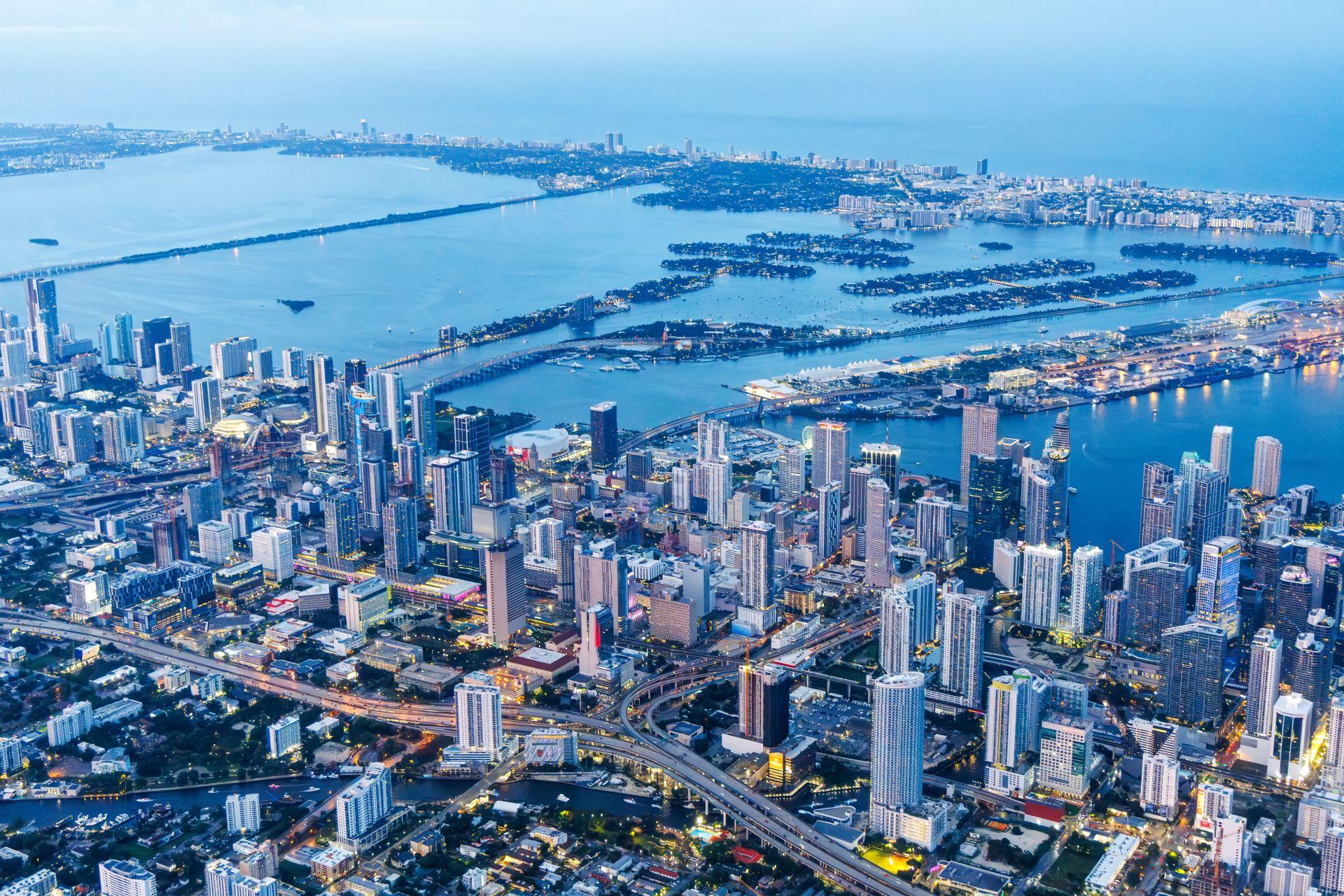
How CORE delivers a milestone inspection repair scope.
Two state phases plus restoration — one accountable contractor — under the engineer's stamp from the Phase 1 report through local sign-off.
Engineer's Phase 1 report review
CORE reads every line of the Phase 1 inspection report, walks the building with the engineer of record, and translates the engineer's findings into a priced, sequenced restoration scope — including unit pricing for concrete repair quantities likely to surface during the work. The board receives one document: scope, sequence, and resident-impact plan in a format that supports a single board vote.
Phase 2 testing coordination (when triggered)
When Phase 1 identifies substantial structural deterioration, the building enters Phase 2: a deeper investigation through destructive or nondestructive testing, performed under the engineer of record's direction within the statutory 180-day Phase 2 window. CORE supports the engineer's Phase 2 program with field access, controlled selective demolition for testing, and shoring as required to enable safe access — and uses the Phase 2 findings to lock the final restoration scope and schedule.
Restoration execution
CORE's in-house crews perform concrete spall repair, rebar replacement, post-tensioning where applicable, balcony rebuilds, stair-tower restoration, waterproofing, and finish work — all under the engineer's stamped direction and on the schedule the board approved. Residents stay in place; common-area sequencing keeps the building operational from mobilization through final punch.
Re-inspection & local sign-off
The engineer of record re-inspects completed work at agreed milestones and upon final completion. CORE assembles the closeout binder — stamped repairs, warranties, photographic record, and engineer sign-off documentation — and coordinates the local enforcement agency submittal so the building closes the regulatory loop on schedule.
Restoration scope CORE has delivered on real buildings.
Two are direct 40-year recertifications; two more demonstrate the kind of repair scope that follows a Phase 2 finding on other building types.
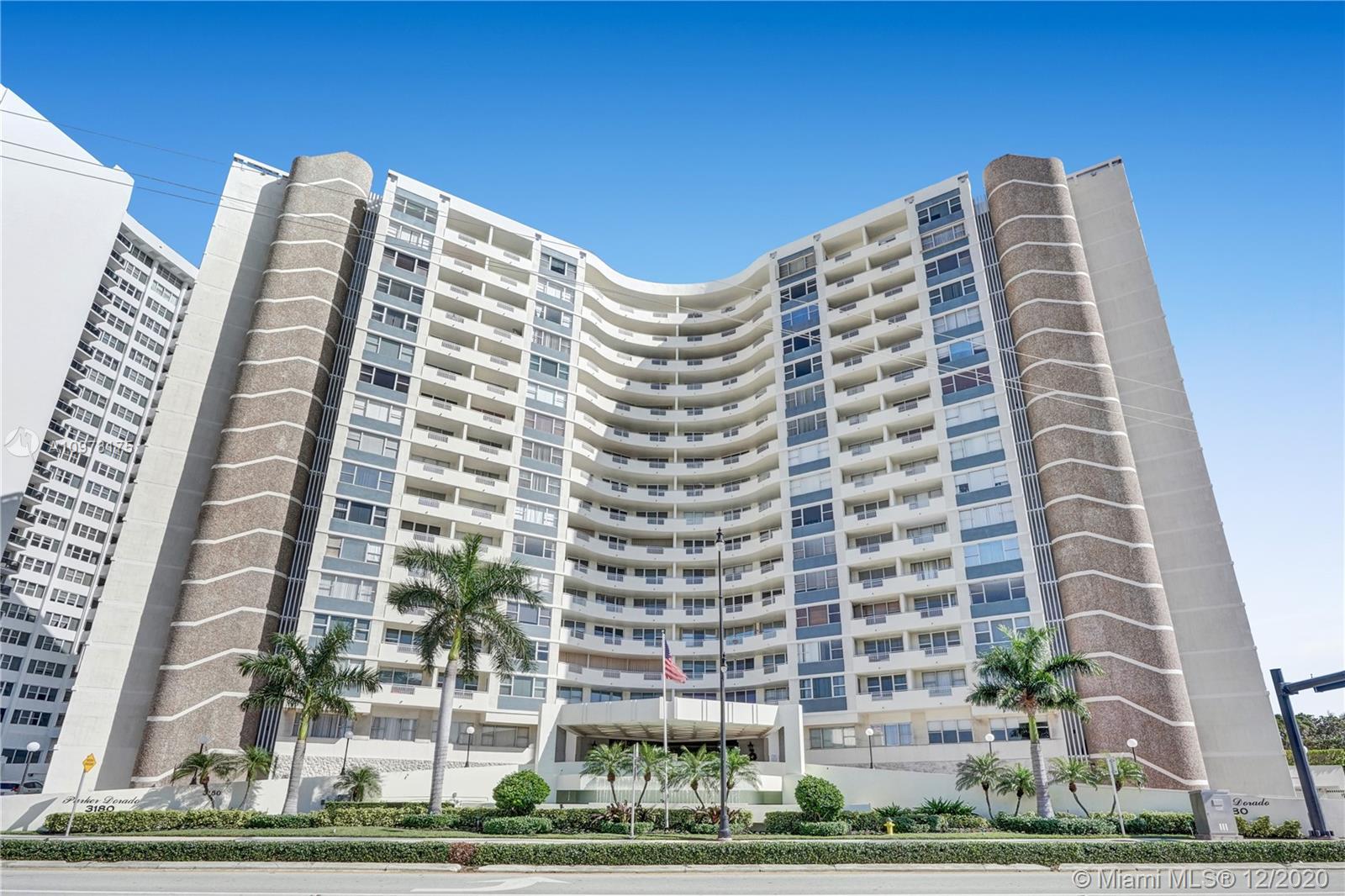
Parker Dorado — 40-Year Recert. & Hallway Beautification
Surfside
Concrete spall repair, waterproofing, and balcony rebuilds across a Surfside condominium recertification — phased delivery with residents in place.
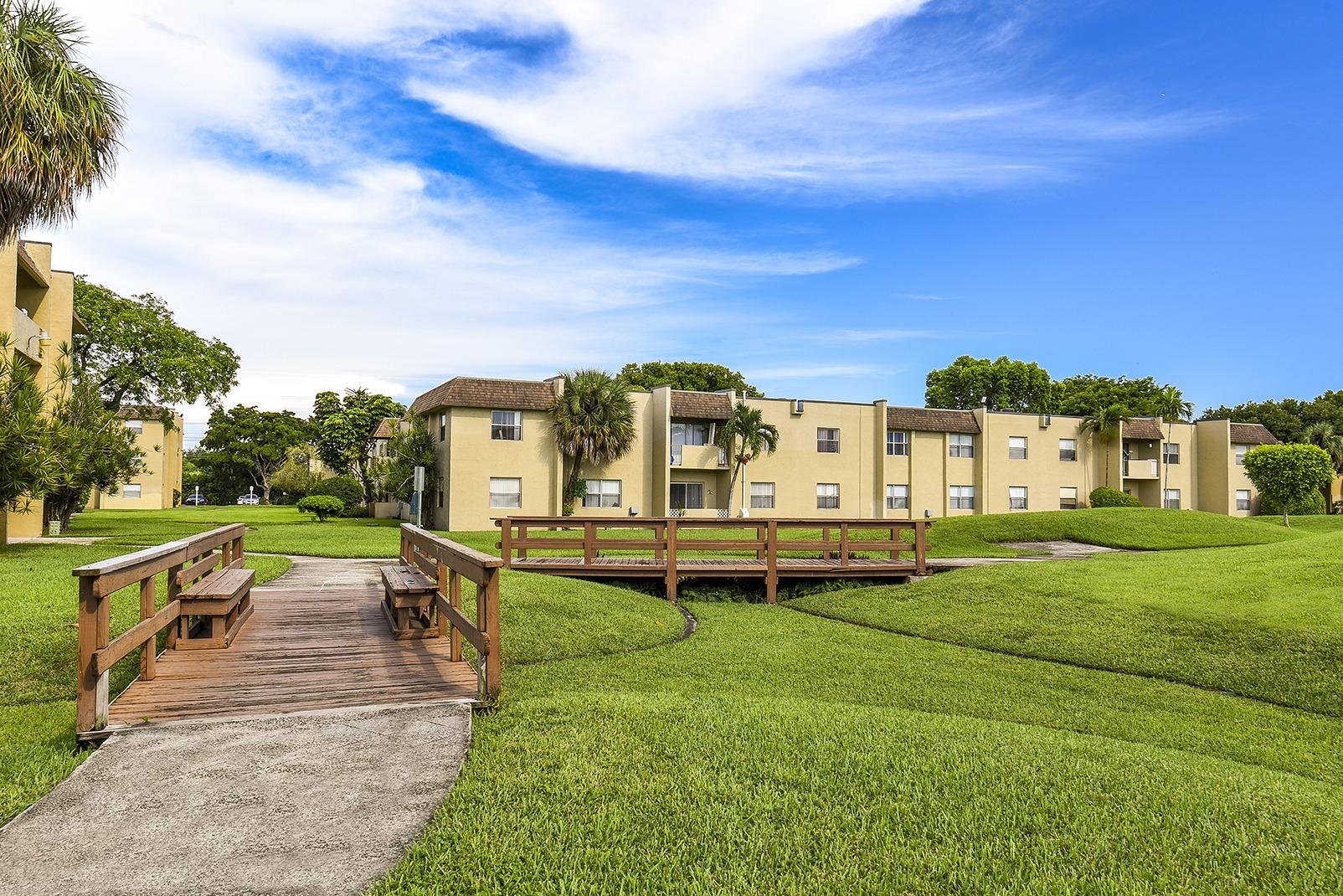
Green Briar West Apartments
Miami
Multi-building 40-year recertification across a Miami multifamily complex — per-building scoping, common-area and stair-tower work sequenced first to clear resident access.

Ft. Lauderdale International Airport
Ft. Lauderdale
Epoxy crack injection at concourse level and Carbon Fiber Reinforced Polymer (CFRP) strengthening — a canonical Phase 2 remediation scope at infrastructure scale.
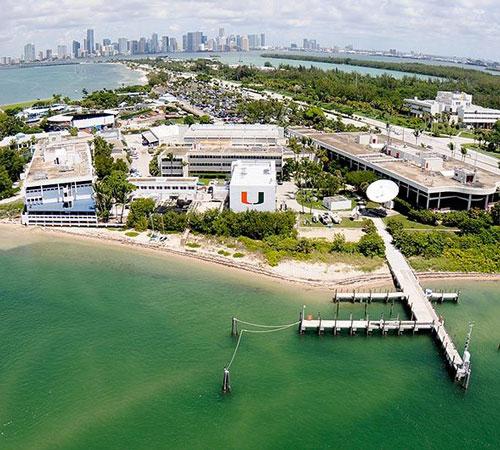
Rosenstiel School of Marine & Atmospheric Science
Virginia Key
Facade repair and moisture mitigation for construction-defect remediation at the University of Miami's oceanographic campus — the kind of envelope-failure scope a Phase 2 finding triggers on coastal buildings.
Questions from boards and owners.
- What is Florida SB 4-D?
- Florida Senate Bill 4-D is the state law that established a mandatory structural milestone inspection for condominium and cooperative buildings three stories or higher. Enacted in May 2022 in response to the Champlain Towers South collapse of June 2021, the bill is codified at Florida Statute § 553.899 and amended several condominium-association provisions of Florida Statute § 718.112. SB 4-D requires that affected buildings undergo a Phase 1 visual structural inspection by a Florida-licensed Professional Engineer or Architect at the building's 30-year mark — or 25 years if the building is within three miles of the coast — and every ten years thereafter. SB 4-D also created the Structural Integrity Reserve Study (SIRS) requirement, which mandates that condominium associations maintain reserves for structural components according to a defined inspection-derived schedule. The law has been amended twice since enactment: Senate Bill 154 in 2023 and House Bill 913 in 2025.
- When was SB 4-D enacted, and why?
- Senate Bill 4-D was passed by the Florida Legislature on May 26, 2022 and signed into law shortly thereafter. The bill was the legislative response to the June 24, 2021 partial collapse of the Champlain Towers South condominium in Surfside, which killed 98 people. Investigations into the collapse identified long-standing structural deterioration that the building's existing recertification regime had not arrested. SB 4-D's stated purpose is to ensure that aging high-rise residential buildings in Florida remain structurally sound and safe for continued occupancy. The law applies statewide and operates on top of any existing local recertification ordinances, including Miami-Dade County's 40-Year Recertification program. Two amendments have followed: Senate Bill 154 in 2023, which clarified inspection scope and SIRS reserve options, and House Bill 913 in 2025, which extended the SIRS completion deadline by one year — to December 31, 2026.
- Which buildings are subject to the milestone inspection?
- Florida SB 4-D applies to condominium and cooperative buildings of three habitable stories or higher, as defined under the Florida Building Code. The first inspection is triggered at the building's 30-year mark — or 25 years if the building is within three miles of the coastline. Single-family homes, duplexes, and most low-rise multifamily buildings under three stories are not subject to the milestone-inspection requirement. The three-mile coastal trigger is significant for South Florida, where the majority of condominium stock lies within or close to the three-mile band — meaning the 25-year threshold applies broadly across Miami-Dade, Broward, and Palm Beach Counties. Once an initial milestone inspection is complete, the building enters a recurring ten-year reinspection cycle for the remainder of its life. Buildings governed only by a homeowners' association under Chapter 720 are not subject to SB 4-D, although local recertification ordinances may still apply.
- What's the difference between Phase 1 and Phase 2?
- A milestone inspection under SB 4-D occurs in two phases. Phase 1 is a visual structural assessment performed by a Florida-licensed Professional Engineer or Architect. The engineer walks the building's primary structural elements — load-bearing walls, foundation systems, floor and roof framing, balconies, stair towers, parking-garage structure — and produces a stamped written report. If Phase 1 identifies no substantial structural deterioration, the building's milestone inspection is complete for the cycle. If Phase 1 identifies substantial structural deterioration, the building enters Phase 2: a deeper investigation that may include destructive or nondestructive testing of the affected structural elements. Phase 2 is intended to confirm whether the building remains safe for its intended use and to recommend a specific repair program. The Phase 2 report establishes the scope that the building's restoration contractor will execute, under the engineer's continuing stamped direction.
- What triggers a Phase 2 inspection?
- Phase 2 is triggered when Phase 1 identifies “substantial structural deterioration” in the building's primary load-bearing or life-safety systems. The statute does not enumerate every possible finding — the determination rests with the inspecting engineer's professional judgment based on observed conditions: significant concrete spalling and rebar exposure, post-tension cable corrosion or breakage, structural cracking, balcony or cantilever-system distress, severe waterproofing failure causing structural impact, foundation settlement, or visible deformation in load-bearing walls or columns. Once Phase 2 is triggered, the engineer must complete the Phase 2 inspection within 180 days, although extensions are permitted when scope warrants. Phase 2 typically involves selective demolition for testing access, instrumented monitoring, and laboratory analysis of structural materials. CORE Builder Group supports the engineer's Phase 2 program with field access, controlled demolition, and shoring as required to enable safe testing.
- What is the SIRS requirement, and how is it different from the milestone inspection?
- The Structural Integrity Reserve Study, or SIRS, is a separate but related requirement created by SB 4-D and codified at Florida Statute § 718.112(2)(g). A SIRS is a financial planning study — performed by a licensed engineer, architect, or qualified inspector — that estimates the remaining useful life and replacement cost of the building's primary structural and life-safety components, including the roof, load-bearing walls, foundation, floor systems, fireproofing, and primary plumbing systems. The SIRS sets the schedule on which a condominium association must fund reserves for those components. Beginning January 1, 2026, condominium associations may no longer waive or reduce reserves for SIRS components. The milestone inspection assesses physical condition; the SIRS sets the funding plan to maintain that condition over time. Both requirements are recurring on a ten-year cycle, and the two studies may be coordinated and delivered together when their schedules align.
- What's the 2026 deadline, and what changed under HB 913?
- House Bill 913, enacted in 2025, extended the original SIRS completion deadline from December 31, 2025 to December 31, 2026. The extension applies to the initial SIRS — subsequent ten-year reinspection cycles run on their own schedule. HB 913 also permits associations whose milestone inspection is due on or before December 31, 2026 to coordinate the SIRS with the milestone inspection and submit them together; under no circumstances may the initial SIRS be completed after December 31, 2026. The 2026 deadline is the SB 4-D regime's first hard wall: associations that have not yet commissioned the SIRS — or that have commissioned but not yet completed it — face accelerated pressure as the year progresses. Reserve-funding obligations under the SIRS begin January 1, 2026, regardless of whether the SIRS itself is finalized by that date.
- What happens if a condominium misses a milestone-inspection deadline?
- The consequences of missing a SB 4-D deadline are layered. The local enforcement agency — typically the county or municipal building department — has authority to assess substantial daily fines, post the building under the local “unsafe structure” framework, refer the matter to a special magistrate or code-compliance board, and in extreme persistent non-compliance pursue an order to vacate. Insurance carriers routinely treat milestone-inspection non-compliance as a material risk, with consequences ranging from premium increases to non-renewal. Owners may bring derivative action against the association's board for breach of statutory duty. Resale and refinancing both become impaired: title and insurance underwriting reach for the inspection record. Property values in non-compliant buildings reliably soften relative to recertified peers. The cumulative effect is severe — and in every case the practical cost of missing the deadline is higher than the cost of meeting it on schedule.
- How does SB 4-D relate to the Miami-Dade 40-Year Recertification?
- The two regimes operate in parallel and apply independently. Miami-Dade County's 40-Year Recertification ordinance, codified at Code § 8-11(f) and in force since 1975, requires structural and electrical inspection at 40 years and every ten years thereafter. Broward County operates a substantially similar 40-year program. SB 4-D added a separate statewide milestone inspection at 30 years — or 25 years if within three miles of the coast — for condominium and cooperative buildings three stories or higher. A condo association in Miami-Dade or Broward can therefore receive notices under both regimes within the same ten-year window. The repair scopes that follow either inspection are similar — concrete restoration, post-tensioning, waterproofing, structural reinforcement — and a single restoration contractor can execute both. CORE Builder Group delivers the structural restoration scope under either trigger, on schedule, under the engineer's stamp, with residents in place.
- Who pays for the milestone inspection and any repairs that follow?
- For condominium associations, the inspection and any required repairs are funded through reserves, special assessments, or association financing. Florida Statute § 718.112(2)(g), as amended by SB 4-D, requires associations to maintain reserves for structural components on a SIRS-derived schedule — and from January 1, 2026 forward, those reserves may no longer be waived. For rental multifamily and commercial properties, the building owner funds the inspection and repairs directly. Cost recovery from a developer is generally limited by Florida's statute of repose. Boards facing a substantial repair scope have several practical options: phased delivery aligned with the 365-day repair-commencement window after Phase 2, association-level financing secured against assessment income, and lender-driven workouts when refinancing is on the table. The earlier the board commissions both the inspection and the contractor walk-through, the more options remain open.
- Florida Statute § 553.899 — Mandatory structural inspections (milestone)www.flsenate.gov
- Florida Senate Bill 4-D (2022) — full textwww.flsenate.gov
- Florida Senate Bill 154 (2023) — milestone inspection amendmentswww.flsenate.gov
- Florida House Bill 913 (2025) — SIRS deadline extensionwww.flsenate.gov
- Florida Statute § 718.112 — Condominium operations & SIRSwww.flsenate.gov
- DBPR Condominium Information & Resources — Inspectionscondos.myfloridalicense.com
- Miami-Dade Building Department — 40-Year Recertification programwww.miamidade.gov
This article is for general information about Florida and Miami-Dade building regulations and does not constitute legal or engineering advice. Building owners should engage a Florida-licensed Professional Engineer or Architect and consult their municipal building department for project-specific guidance. Statutes and code requirements change — verify current law and local municipal amendments before acting.
Milestone inspection coverage by city.
Coastal municipalities hit the milestone inspection at 25 years rather than 30. CORE delivers the post-inspection restoration scope locally.
- Coastal · 25-year trigger
Miami Beach→
- Coastal · 25-year trigger
Bal Harbour→
- Coastal · 25-year trigger
Sunny Isles Beach→
- Coastal · 25-year trigger
Aventura→
- Coastal · 25-year trigger
Hallandale Beach→
- Coastal · 25-year trigger
Hollywood→
- Coastal · 25-year trigger
Fort Lauderdale→
- Coastal · 25-year trigger
Pompano Beach→
- Coastal · 25-year trigger
Boca Raton→
- Coastal · 25-year trigger
Palm Beach→
- Coastal · 25-year trigger
Singer Island→
- Coastal · 25-year trigger
Key Biscayne→
- Coastal · 25-year trigger
Brickell→
- Coastal · 25-year trigger
Coconut Grove→
- Coastal · 25-year trigger
Deerfield Beach→
- Coastal · 25-year trigger
Delray Beach→
- Coastal · 25-year trigger
Boynton Beach→
- Coastal · 25-year trigger
Stuart→
- Coastal · 25-year trigger
Jupiter→
- Inland · 30-year trigger
Coral Gables→
- Inland · 30-year trigger
Pinecrest→
- Inland · 30-year trigger
Doral→
- Inland · 30-year trigger
Plantation→
- Inland · 30-year trigger
Weston→
Phase 2 report on the table? CORE will walk the building with your engineer and put a fixed restoration plan in front of the board within 7 days.